
PZZPG | Understanding Jueteng: A Closer Look at the Pernicious Numbers Game
PZZPG’s Explore the intricate world of Jueteng, its impact on society, and how it intertwines with various socio-political aspects in the Philippines. This article delves into the history, operations, and challenges of addressing this illegal lottery that continues to thrive despite numerous attempts to eradicate it.
Understanding Jueteng: A Closer Look at the Pernicious Numbers Game
Jueteng is an illegal numbers game that operates outside the confines of the law yet continues to exist prominently in many parts of the Philippines. Known for its deep entrenchment in the country's socio-economic and political fabric, Jueteng offers a window into the complexities of dealing with informal economic activities that not only evade taxation but also engage stakeholders at various levels of society.
The Origins and Spread of Jueteng
The history of Jueteng dates back to the Spanish colonial period, making it a long-standing feature of Philippine culture. Initially introduced by Chinese migrants, the game drew in individuals from all walks of life due to its simple mechanics and the allure of quick cash wins. Players choose combinations of numbers from one to thirty-seven, and winning depends on the combination drawn from small wooden balls.
Over the years, Jueteng has persistently flourished despite being deemed illegal. Its popularity can be attributed to the ease with which it can be played and the cultural acceptance it has garnered, especially in rural areas where opportunities for economic activity are limited. In these regions, Jueteng serves as both a pastime and a livelihood source for many.
Pervasiveness Across Socio-Political Lines
What makes Jueteng particularly intriguing is its deep-rooted interconnectedness with both the socio-economic structures and political landscapes of Filipino society. It is not only a game but also a network where operators, known as "cabos," and collectors, known as "kubradors," synchronize with authorities, sometimes including local law enforcement and government officials.
This layering ensures a steady flow of income and job opportunities for those involved at the lower tiers. However, it also results in substantial profits for the operators and financiers who control the game's proceeds. The political nexus of Jueteng is evident, as it has often been a source of campaign funds for local politicians, ensuring an intricate dependency and resistance to change.
The Mechanics and Operation of Jueteng
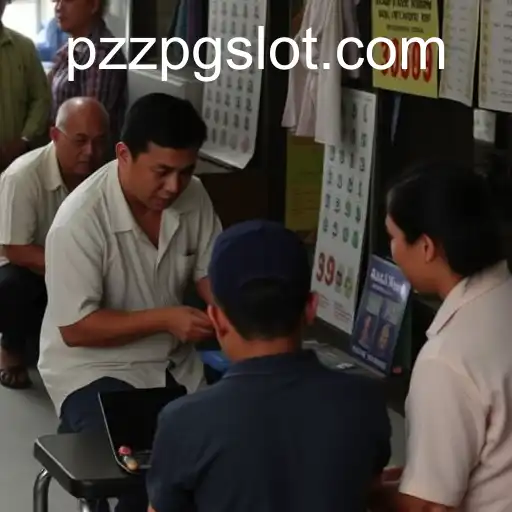
The operational structure of Jueteng is simple yet robust. At the base level are the kubradors who solicit bets from players. These collectors may be found traversing neighborhoods, making house-to-house visits, and canvassing in public areas such as markets and streets. The collected bets are then delivered to cabos, who are responsible for consolidating the stakes into the central system where the draw is conducted.
Typically, two draws occur daily, providing consistent engagement and anticipation among bettors. The draw itself is carried out using a rudimentary but effective method, often with personnel assigned to validate the results and ensure transparency according to the unwritten rules of the trade.
One aspect that sustains Jueteng is its liquidity and speed of transactions. Winners receive payments almost instantly, further cultivating its popularity. This operational efficiency, combined with its grassroots accessibility, solidifies its standing, making Jueteng a ubiquitous yet elusive economic activity.
Economic and Social Implications
Jueteng's enduring presence in Philippine society poses challenges and implications that go beyond mere legality. Economically, the numbers game illustrates a parallel system that thrives on the informal sector's dynamic, unregulated nature, which provides income for many who lack formal employment opportunities.
Socially, while Jueteng offers a semblance of hope and excitement for potential rewards, it simultaneously perpetuates a cycle of dependency and diminishes initiatives towards sustainable progress. Communities engulfed in Jueteng culture may experience entrenched poverty, as funds circulate locally without contributing to broader economic development. Despite this, for some, Jueteng represents a form of resistance against established power structures, a way of reclaiming agency in a rapidly changing world.
Challenges in Eradicating Jueteng
Efforts to eradicate Jueteng have faced significant hurdles due to its ingrained nature within the society and the economic and political complexities it presents. Crackdowns are sporadic and often limited in scope, targeting lower level operatives while leaving major financiers unscathed.
Anti-Jueteng campaigns often fall short due to inconsistent enforcement and sometimes complicity within law enforcement agencies. Moreover, replacing Jueteng with alternative economic activities has proven difficult, especially in provinces where government presence and service delivery are limited.
Steps Toward Resolution
To address the Jueteng phenomenon, a multifaceted approach is necessary. This includes strengthening legal frameworks, enhancing community engagement and development, and offering viable economic alternatives to those involved in the numbers game. Properly addressing poverty and ensuring equitable access to education and employment opportunities are crucial in creating environments less conducive to such activities.
Addressing Jueteng requires transparency, political will, and public cooperation. Communities must be encouraged to participate in local governance and decision-making processes to mitigate the appeal of illicit activities. At the government level, stringent measures need to be enforced with unwavering commitment and integrity.
The plight of Jueteng reveals much about the societal makeup of the Philippines, underscoring issues of inequality, governance, and resilience. As with many informal economic activities, the journey to reform is long and fraught with challenges, but it remains a necessary endeavor for crafting a fairer and more secure future. For more insights on addressing these socio-political challenges, explore our main content for comprehensive coverage.
